W- beam metal crash barrier About
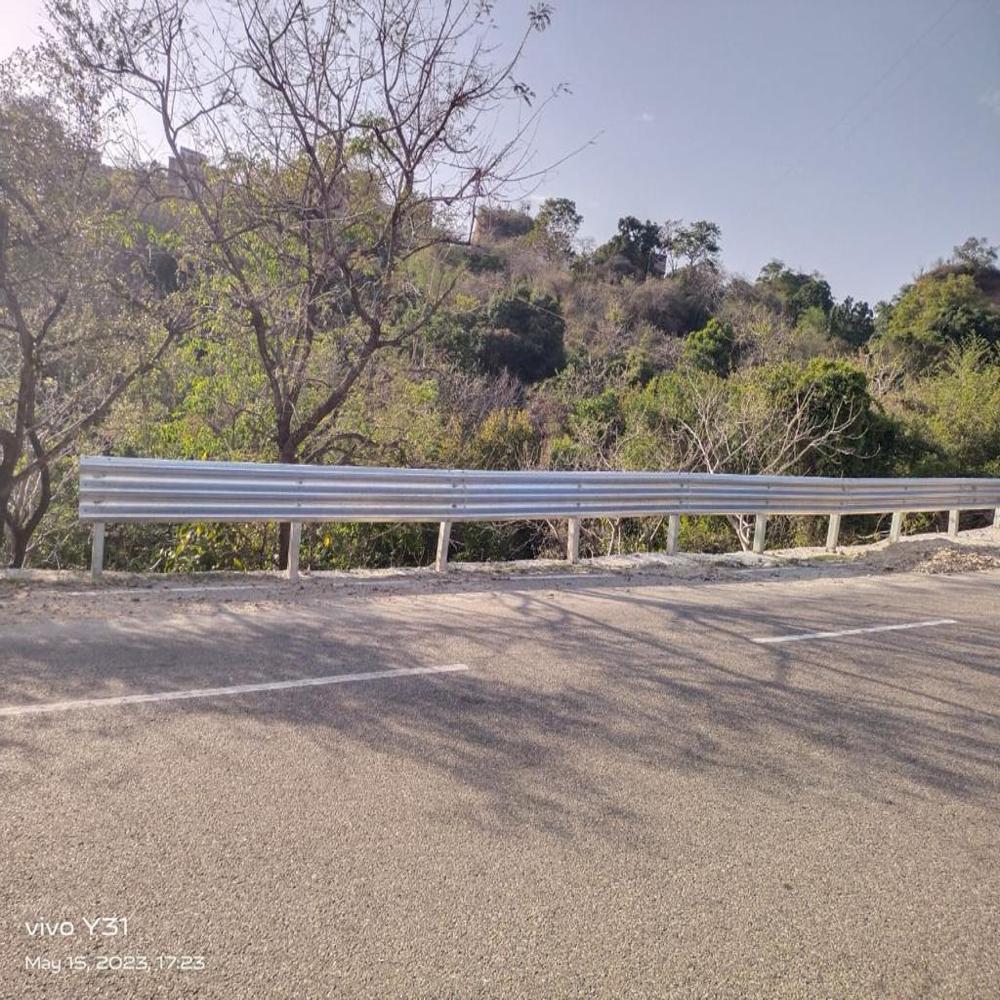
A crash barrier (also called a guardrail or safety barrier) is a protective structure installed along roads, highways, bridges, and medians to reduce the severity of accidents.
What it does
Crash barriers are designed to:
- Prevent vehicles from leaving the roadway (e.g., going off a cliff or into a ditch)
- Reduce impact force during collisions
- Redirect vehicles back onto the road instead of stopping them abruptly
- Protect pedestrians, roadside structures, and other vehicles
Common types
- Metal beam barriers (W-beam / thrie-beam): Flexible steel rails that absorb energy
- Concrete barriers (Jersey barriers): Rigid structures used in medians and high-speed areas
- Cable barriers: Steel cables that flex significantly and absorb impact energy
- Water-filled barriers: Temporary plastic barriers used in construction zones
How they work
When a vehicle hits a crash barrier:
- The barrier absorbs and dissipates kinetic energy
- It slows down the vehicle gradually
- It changes the direction of the vehicle, reducing the chance of a severe crash
Where they are used
- Highway edges and medians
- Sharp curves and steep slopes
- Bridges and flyovers
- Construction zones
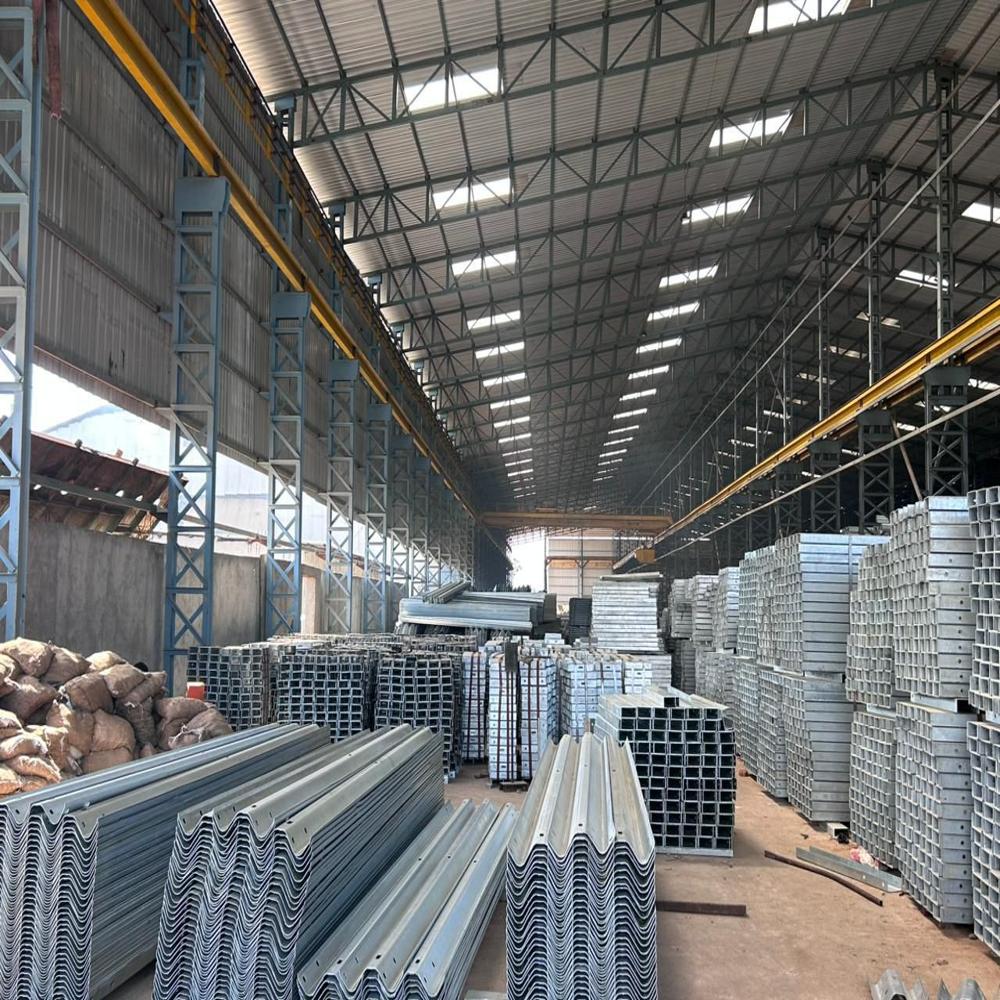
Rugged Construction and Reliable ProtectionManufactured from hot-dip galvanized steel, our W-beam crash barrier offers long-lasting performance with exceptional corrosion resistance. The robust W-shaped design and compliant zinc coating ensure safety even under severe impact, making it a trusted safeguard on highways, bridges, and flyovers.
Flexible Installation and Versatile ApplicationThese barriers are engineered with standardized post heights, sizes, and spacer blocks, streamlining installation along diverse road infrastructures. Whether for expressways or roadside edges, their modular construction and passive operation allow for rapid deployment and minimal maintenance.
FAQ's of W- beam metal crash barrier:
Q: How is the W-beam metal crash barrier installed along roadways?
A: The barrier is installed by anchoring C-section posts (150 mm x 75 mm) at regular intervals, with the W-shaped beam panels attached using spacer blocks. The installation does not require power and can be deployed rapidly along highways, bridges, and expressways.
Q: What materials and coatings are used for corrosion protection?
A: Hot dip galvanized steel is used for the panels and posts, with a zinc coating applied as per IS 2062/IS 4759 standards, ensuring excellent resistance to weather, corrosion, and mechanical damage.
Q: What are the main applications of this crash barrier?
A: The W-beam metal crash barrier is suitable for highways, expressways, bridges, flyovers, and road edges. Its primary function is to prevent vehicles from crossing over into oncoming traffic, enhancing road safety for motorists.
Q: When should a W-beam metal crash barrier be considered for a project?
A: These barriers should be used where there is a risk of vehicle crossovers or where vehicles could veer off the road edge, such as on high-traffic highways, sharp curves, and elevated roadways.
Q: Where can these barriers be sourced for a roadway project?
A: They can be obtained through manufacturers, suppliers, or traders specializing in highway safety equipment, with customized sizes and surface finishes available as per project requirements.
Q: What is the benefit of using a galvanized W-beam barrier?
A: Galvanized W-beam barriers offer high impact strength, weather resistance, and extended service life, significantly reducing maintenance costs while delivering reliable safety performance.

 Send Inquiry



 Send Inquiry

 Send Inquiry